
Choosing hospice doesn't mean you're giving up — it means you're shifting the focus from fighting a disease to protecting the quality of life that remains. Hospice actually redefines hope by prioritizing comfort, peace, and presence over futile treatments. You won't lose all medications, and it's not limited to cancer patients or the elderly. Many families carry myths that delay this compassionate care. Understanding the truth behind these seven common misconceptions can change everything for your family.
Key Takeaways
- Hospice redefines hope by prioritizing comfort, peace, and presence rather than abandoning care or giving up on patients.
- Hospice does not stop all medications; teams individually assess and continue treatments that support comfort and well-being.
- Hospice serves many life-limiting illnesses beyond cancer, including cardiac, pulmonary, and neurological conditions.
- Hospice is not limited to the elderly; younger adults and children with serious illnesses also qualify for care.
- Patients can improve, leave hospice, and re-enroll later, making it a flexible and patient-centered care option.
Hospice Means Giving Up Hope
C:\Users\mitch\OneDrive\Desktop\zimmwriter\output\Does_Hospice_Mean_Giving_Up_7_Myths_Families_Believe__And_the_Truth_0001.jpg If you serve others through caregiving, understand this: hospice doesn't eliminate hope. It redefines it. You're choosing peace over suffering, presence over procedures, and compassion over futile medical strategies. Research has shown that hospice patients may actually live longer because of better symptom management and comfort-focused care.Hospice Stops All Medications and Treatments
When families first hear the word "hospice," many assume it means stopping every medication and treatment cold turkey. That's simply not true. Hospice teams assess each patient's medications individually, continuing those that support comfort and well-being. Thoughtful medication management means providers may suggest discontinuing drugs that offer no short-term benefit or cause swallowing difficulties. But you'll never face forced changes. Patient autonomy drives every decision — you choose which medications to keep, adjust, or decline. When symptoms like pain, anxiety, or nausea arise, providers prescribe targeted medications at carefully monitored doses backed by decades of clinical research. Patients typically receive a comfort kit at home so caregivers can quickly address symptoms before they escalate. These aren't one-size-fits-all protocols. They're personalized plans that respect your loved one's goals, preferences, and desired quality of life.Hospice Is Only for Cancer Patients
C:\Users\mitch\OneDrive\Desktop\zimmwriter\output\Does_Hospice_Mean_Giving_Up_7_Myths_Families_Believe__And_the_Truth_0002.jpg Another common misconception ties hospice exclusively to cancer — as though only oncology patients qualify. In reality, hospice serves patients with end-stage cardiac disease, pulmonary conditions, renal failure, neurological disorders, and HIV. Non-cancer eligibility extends to any life-limiting illness when prognosis and treatment goals align with comfort-focused care. When you understand this, you can advocate for patients who might otherwise miss critical support. Hospice misconceptions like the cancer-only myth delay referrals, shortening the window for meaningful symptom management and quality-of-life care. What determines eligibility isn't the diagnosis — it's the disease trajectory. When curative treatments no longer offer benefit and a patient's prognosis suggests six months or less, hospice becomes appropriate. Early involvement in hospice care leads to better symptom management and reduces unnecessary medical interventions and hospitalizations. You're positioned to ensure no one falls through the cracks because of outdated assumptions.Hospice Is Only for the Elderly
Though most hospice patients are over 85, age isn't a gatekeeping criterion. Nearly 20% of hospice patients are under 65. Young adults in their 30s, 40s, and 50s face cancer, heart disease, and advanced neurological conditions that progress despite aggressive treatment. When curative options no longer improve quality of life, they deserve compassionate care too. Children also need hospice services. Programs like Kansas City Hospice's Carousel Pediatric Care serve young patients from before birth into young adulthood, with specialized clinical teams addressing developmental and emotional needs. Correcting age misconceptions directly improves hospice accessibility for families who wouldn't otherwise consider it. For younger patients, the desire to be present for significant life events often drives them to pursue every available treatment before making the difficult transition to hospice when illness progresses beyond what medicine can reverse. You can help by sharing this truth: eligibility depends on diagnosis and prognosis, not someone's birthday.Hospice Care Only Lasts a Few Days
C:\Users\mitch\OneDrive\Desktop\zimmwriter\output\Does_Hospice_Mean_Giving_Up_7_Myths_Families_Believe__And_the_Truth_0003.jpg if a patient improves, they're discharged and can re-enroll later if decline resumes. The system's built for flexibility, not rigid timelines. Patients must have a prognosis of six months or less to qualify, with regular reevaluation to continue receiving services. Your advocacy for earlier conversations gives families the extended, compassionate support they deserve.Hospice Means Dying in a Facility
If medical needs change, care settings can shift accordingly. You're never locked into one location. Hospice can be provided in a variety of environments, including home, assisted living, or dedicated hospice facilities. The goal stays constant: comfort and dignity wherever your loved one feels most at peace.What Hospice Care Really Looks Like Day to Day
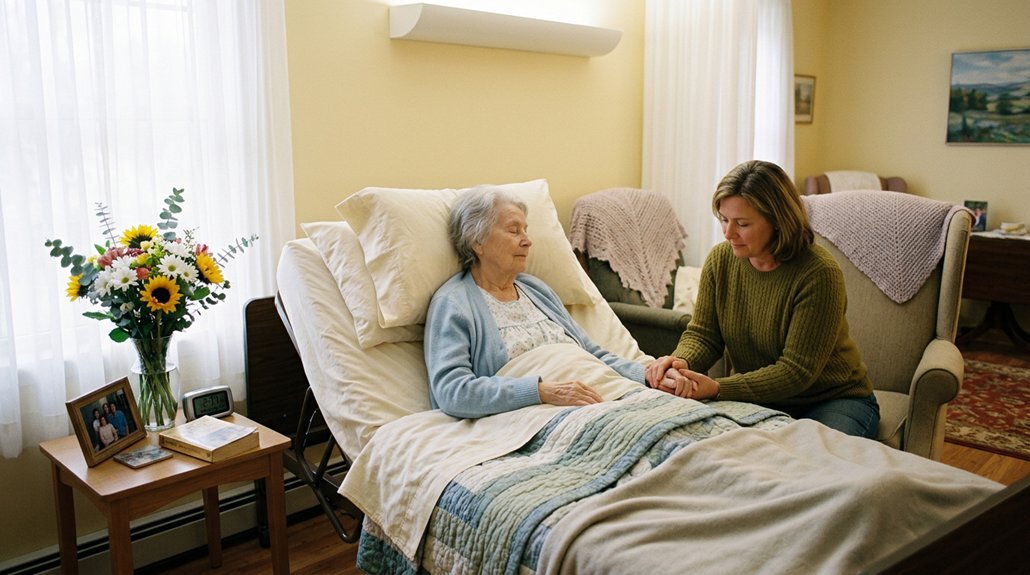
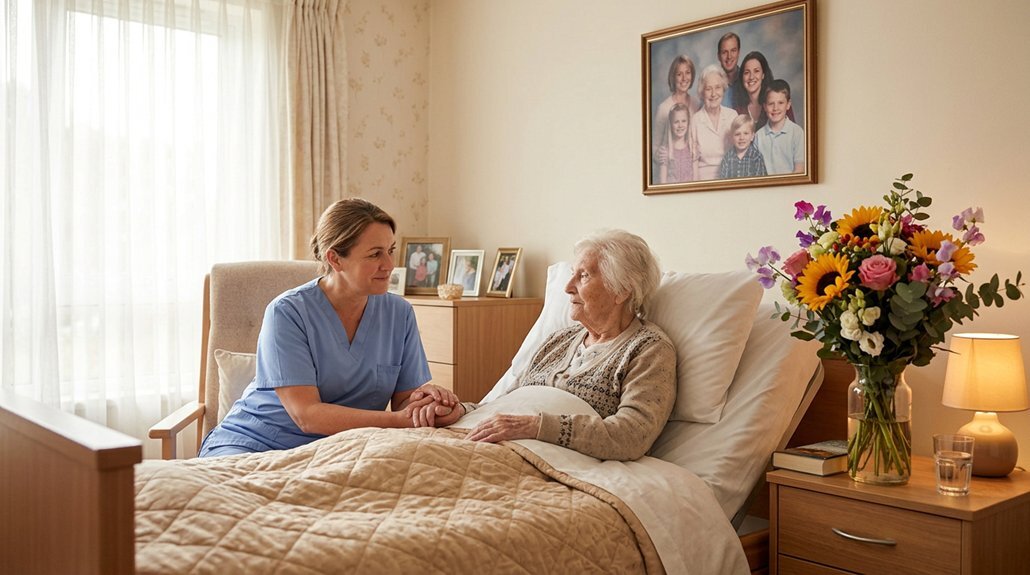
C:\Users\mitch\OneDrive\Desktop\zimmwriter\output\Does_Hospice_Mean_Giving_Up_7_Myths_Families_Believe__And_the_Truth_0004.jpg Because so many misconceptions surround hospice, families often don't know what to expect when care actually begins. Daily routines center on comfort—nursing staff manage pain proactively, adjust medications, and monitor symptoms throughout the day. Your loved one receives hands-on help with bathing, dressing, repositioning, and meals. Patient preferences drive every decision, from which treatments continue to how spiritual care is provided. Counselors, chaplains, and trained volunteers visit regularly to support both the patient and your family emotionally. You'll have twenty-four-hour access to a nurse hotline for urgent concerns, and care coordinators handle equipment and medication delivery. As a 501(c)(3) non-profit organization, Partners In Care is dedicated to ensuring that every family receives compassionate, mission-driven support throughout this process. Bereavement support extends to your family for up to a year, ensuring you're never serving this journey alone.






One Response
Hi, this is a comment.
To get started with moderating, editing, and deleting comments, please visit the Comments screen in the dashboard.
Commenter avatars come from Gravatar.